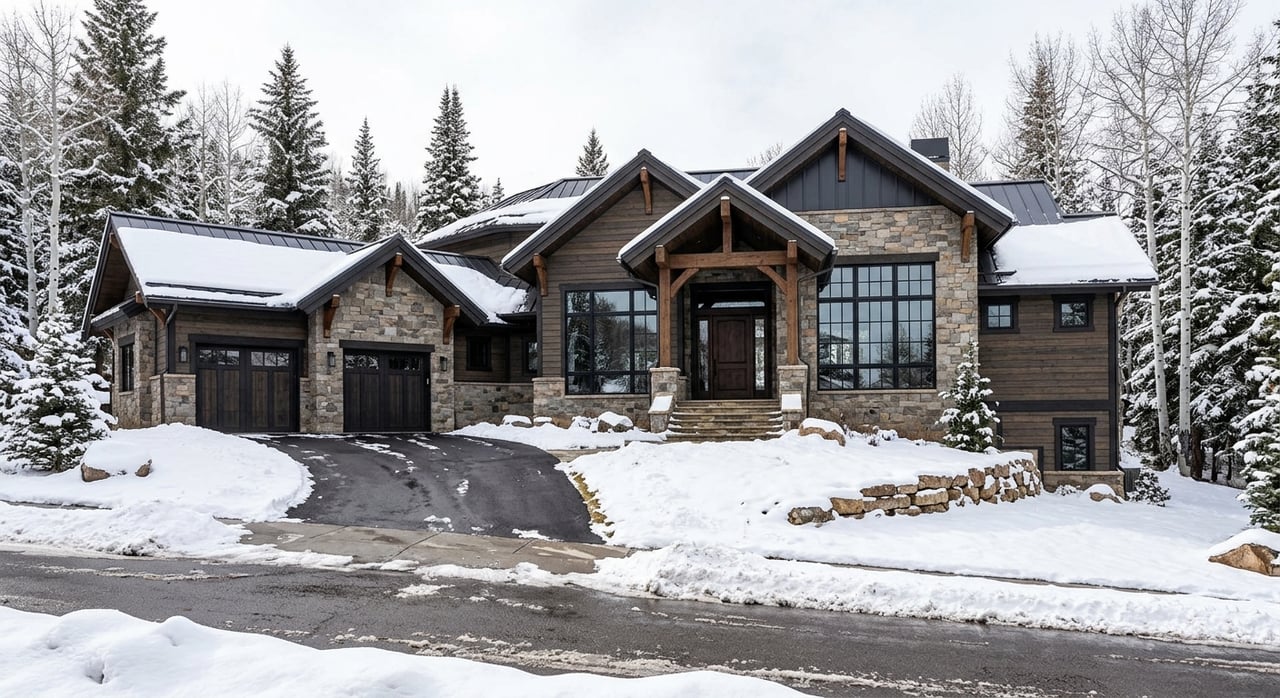
Relocating From Denver To Edwards: What To Know
July 23, 2026
July 23, 2026
Thinking about trading Denver traffic for mountain mornings? Moving to Edwards can be a meaningful lifestyle shift, but it helps to know that this is not just a smaller version of the Front Range. You will be adjusting to a different pace, a higher elevation, and a community that works as a year-round base for the Eagle Valley. This guide will help you understand what daily life, housing, travel, and local services can look like before you make the move. Let’s dive in.
Edwards is an unincorporated community in central Eagle County, located along the Eagle River and the I-70 corridor. Local planning materials place it about 110 miles west of Denver, which means you can still reach the Front Range, but your day-to-day life will feel much more valley-based than city-based.
That difference matters if you are relocating for lifestyle, space, or a closer connection to the mountains. Edwards is also a growing year-round community, with local planning estimates putting the population at about 12,100 in 2024, up from 11,246 in the 2020 Census. In other words, you are not moving into a seasonal pocket alone. You are moving into a place where people live, work, shop, and build routines all year.
If you are used to Denver-area driving, Edwards requires a mindset shift. The community is served by one I-70 interchange at Exit 163, and the local road network is shaped by the Eagle River, the railroad, I-70, and US 6.
That geography can make travel feel more constrained than in a metro area with many alternate routes. Local transportation planning notes that the network is stressed during I-70 closures and peak travel periods, so flexibility becomes part of everyday planning.
Denver International Airport is about 130 miles away, or roughly a two-and-a-half-hour drive from Edwards. Eagle County Regional Airport is much closer, at about 23 miles west of town.
For many Denver movers, this is one of the first practical changes to understand. A quick airport run is no longer always quick, and your travel plans may need more cushion during winter or holiday periods.
Edwards does have regional transit options, but they are different from Front Range commuter systems. CORE Transit serves Edwards and the wider valley 21 hours a day, 7 days a week, 365 days a year.
Bustang access to Denver is available through the Avon Station connection. That can be helpful, but most households still plan life around mountain driving patterns, regional schedules, and seasonal traffic.
One of the biggest surprises for Denver-area buyers is that mountain travel is not just a weekend concern. It becomes part of your normal routine. CDOT advises winter vehicle preparation, winter tires, and checking COtrip before mountain travel, and it also recommends planning ahead for I-70 ski traffic.
If you are exploring a move, it helps to visit in more than one season. A sunny summer weekend can give you a feel for the scenery, but a winter drive shows you much more about access, timing, and what your daily routine may actually require.
Edwards sits at 7,226 feet, compared with Denver’s 5,280 feet. That nearly 2,000-foot difference is enough for many newcomers to notice.
Some people adjust quickly, while others need time. According to the CDC and National Park Service guidance cited in the research, mild altitude illness symptoms can include headache, nausea, dizziness, fatigue, and loss of appetite.
If you are moving from Denver, it is smart to treat the first days and weeks with care. If you have heart or lung disease, the CDC advises speaking with a doctor familiar with high-altitude travel before going higher.
Even if you are healthy, the practical takeaway is simple: do not assume life in Edwards will feel exactly like life in Denver with better views. Your body may need time to catch up.
Some Denver buyers arrive assuming Edwards is made up of one type of mountain home or one kind of resort-style community. In reality, the housing mix is broader.
Local sources describe everything from single-family homes and duplexes to row houses, townhomes, condos, and other multi-family options. The community includes neighborhoods with very different ownership patterns, layouts, and day-to-day feel.
Before you start comparing specific areas, it helps to set a baseline. Census QuickFacts shows an owner-occupied housing unit rate of 63.4%, a median value of $937,300 for owner-occupied units, and a median gross rent of $1,845.
Those figures do not tell the whole story of a home search, but they are useful for calibrating expectations. If you are coming from Denver, they can help you understand that Edwards may offer a different mix of inventory, price points, and ownership goals than you are used to.
Edwards has a patchwork of neighborhoods rather than a single resort pattern. For example, local neighborhood information describes Miller Ranch as including single-family homes, duplexes, row houses, and mill loft condominiums, while Homestead includes single-family homes, town homes, and multi-family housing.
That variety can be a real advantage. It means you may be able to match your move to the way you actually want to live, whether you want lower-maintenance ownership, more space, or a location that better supports your routine.
Relocating well is about more than the home itself. You also want to know whether everyday life feels manageable once the move is over.
In Edwards, daily errands can largely happen in town. The Edwards Metropolitan District notes local retail options that include groceries, outdoor gear, home goods, and food and beverage choices, with business activity centered around places like Riverwalk at Edwards, Edwards Plaza, and Edwards Corner.
Eagle County School District serves the area, and district materials show Edwards Elementary School in town. Families will also find local early childhood options referenced by the district, including Miller Ranch Child Care Center and Edwards Early Learning Center.
Colorado Mountain College’s Vail Valley at Edwards campus is also located in the community. If schools or childcare are central to your move, it is wise to verify enrollment and availability early in the process.
Vail Health lists an Edwards medical campus among its access points. Its 24-hour Level III trauma center is located at Vail Health Hospital in Vail.
For most movers, the key takeaway is reassuring but practical. Basic and specialty care are available in the valley, but some higher-acuity care may still require a trip to Vail or beyond.
This is one of the less obvious parts of relocating from Denver to Edwards. Governance in the area is layered, with overlapping entities that may affect services and recurring costs.
The Edwards Metropolitan District transparency page lists Eagle County, Colorado Mountain College, the RE-50J school district, Eagle River Fire District, Eagle River Water and Sanitation District, Eagle Valley Library District, and Mountain Recreation Metro District among the local entities involved.
Because of that structure, it is smart to ask detailed questions during your home search. You may want clarity on service providers, special district obligations, HOA considerations, and how those costs fit into your monthly ownership picture.
This does not mean ownership is unusually complicated. It simply means mountain-community due diligence should be specific and local.
A relocation to Edwards usually goes more smoothly when you plan around real daily conditions, not just a dream scenario. The best home search is one that tests the routines you expect to live with.
A strong approach often includes:
If you do that upfront, your move is more likely to feel intentional rather than reactive.
For many people, Edwards offers a different kind of everyday Colorado life. You stay connected to the mountains, remain within reach of Denver, and gain access to a community that supports both residential living and resort proximity.
Beaver Creek and Vail are within about a 15-minute drive, which helps explain why Edwards works so well as a home base. You are close to major recreation and valley amenities, but your daily life can still feel rooted in a year-round local community.
If you are considering a move, the right guidance can help you look beyond broad assumptions and focus on the neighborhoods, ownership details, and lifestyle patterns that fit you best. When you are ready to explore Edwards with a local perspective, A.K. Schleusner can help you navigate the move with insight and care.
One of A.K.'s biggest strengths is her creativity in getting a deal done! A.K.'s clients are considered friends, and she enjoys getting together with them on and off the hill.