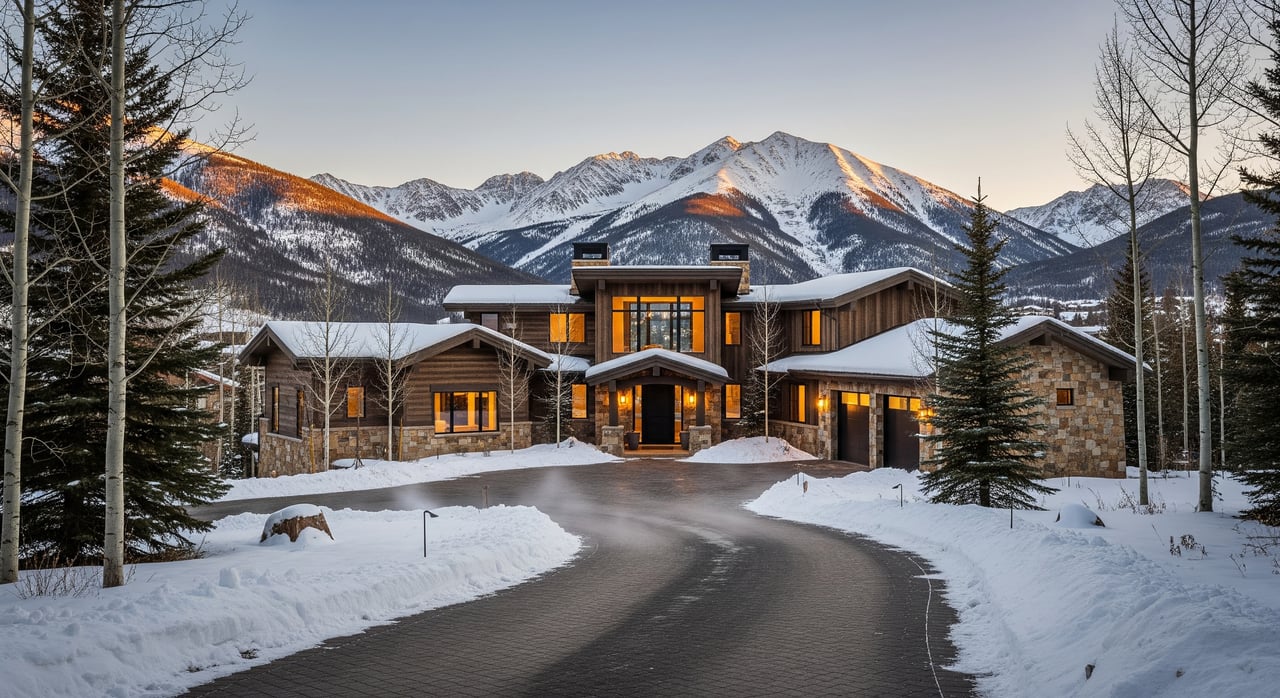
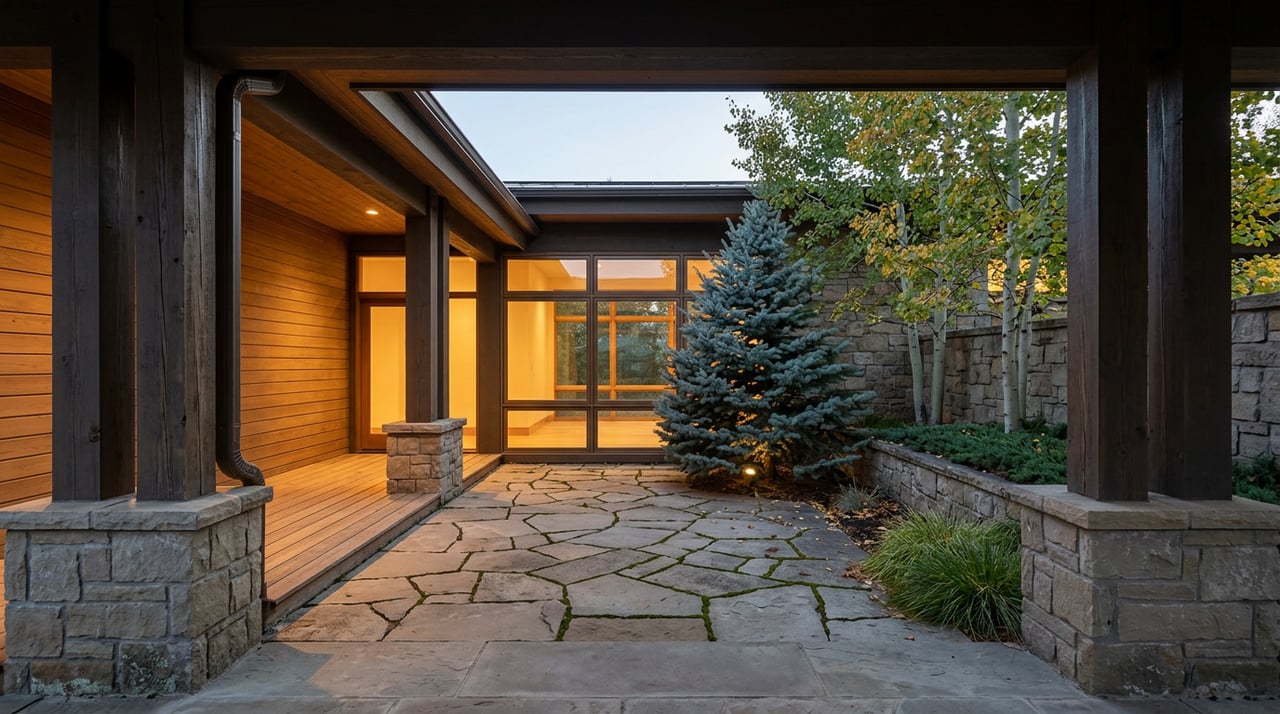
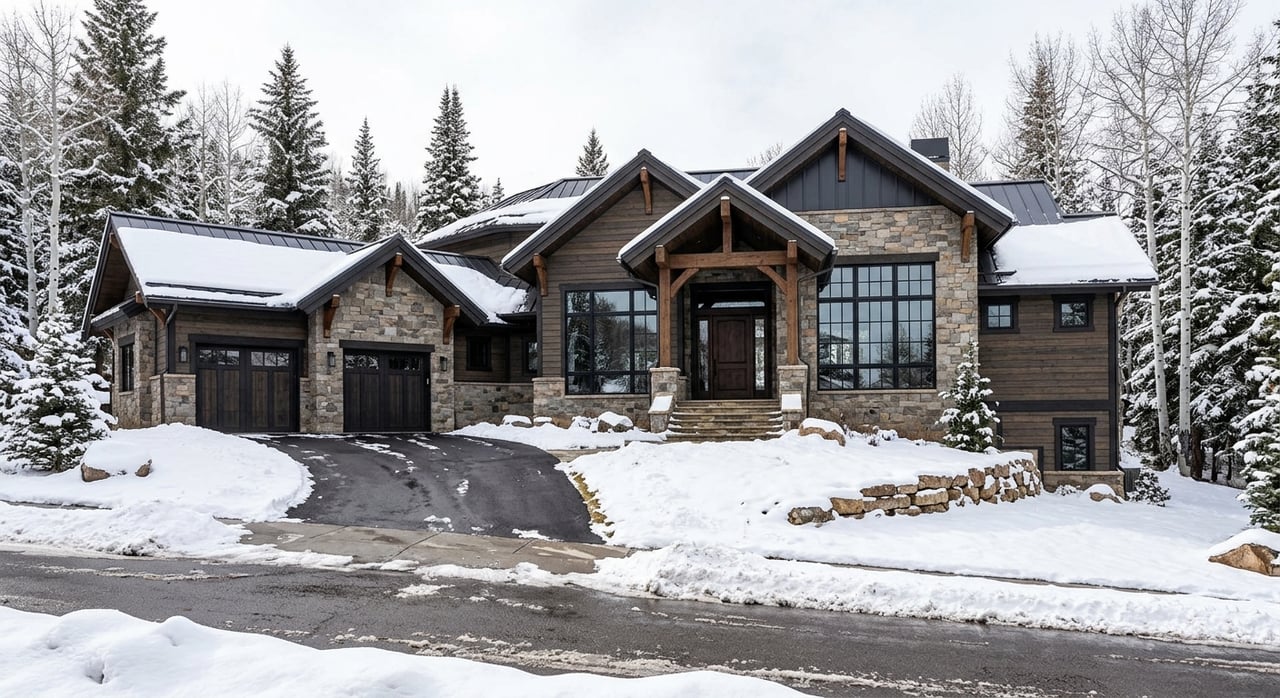
Snow days in Red Cliff are beautiful. Icy driveways and roof edges are not. If you own or plan to buy a mountain home here, a snow‑melt plan can protect access, reduce risk, and save time when storms stack up. In this guide, you will learn which systems fit our terrain and climate, what they cost, how to operate and maintain them, and what to check during a purchase or sale. Let’s dive in.
Why snow‑melt matters in Red Cliff
Red Cliff and nearby Vail Valley neighborhoods see heavy snowfall, frequent freeze‑thaw cycles, and extended subfreezing periods. These conditions increase ice formation on driveways and roof edges compared with lower‑elevation areas. For site‑specific snowfall and freeze‑day data, consult NOAA climate normals.
Topography matters. Steep grades and shaded aspects are common on mountain lots. A snow‑melt system provides outsized value on a steep or north‑facing driveway or on stairs and walks that see little winter sun.
Fuel and utilities vary across the valley. Natural gas is not universal, and many homes rely on propane or electric. Much of the area is served by Holy Cross Energy. Your fuel mix influences which technology makes financial sense.
Plan for approvals and permits. HOAs like Singletree often require architectural review for visible equipment, trenching, or surface changes. For permitting and inspections, contact the Eagle County Building Department and the Town of Red Cliff for project‑specific requirements.
System options at a glance
Electric‑resistance systems
Electric cables or mats are embedded under concrete, pavers, or asphalt. When sensors detect cold and moisture, the system energizes and melts snow on contact.
- Where they fit: driveways, walks, steps, targeted zones. Roof eaves use separate roof cables.
- Pros: simpler retrofits, no boiler, quick response for spot activation.
- Cons: higher operating cost per hour than gas or propane per BTU, potential electrical service upgrades, and varied life expectancy. Design power density typically ranges from about 20 to 60 W per square foot.
Hydronic (boiler‑based) systems
Hydronic systems circulate a heated water‑glycol mix through tubing under the surface, supplied by a boiler fired by natural gas or propane.
- Where they fit: large driveways, stairs, and big plaza areas. Often integrated in new construction.
- Pros: lower operating cost per hour when served by efficient natural gas or propane boilers, strong fit for larger areas, long tubing life when installed properly.
- Cons: higher upfront cost and complexity, annual boiler service, glycol checks, and more components to maintain. Repairs under concrete can be invasive if leaks occur.
Heat tape for roof edges and gutters
Heat cables are a targeted tool to keep roof eaves, gutters, and downspouts flowing during cold periods.
- Pros: cost‑effective, simple to retrofit, helpful for known ice‑dam spots.
- Cons: not a cure for poor insulation or ventilation, visible on the roof, and uses electricity while active. Not ideal for large, complex roofs as the sole solution.
Surface materials and retrofit notes
- Concrete and pavers conduct heat efficiently and pair well with both electric and hydronic systems.
- Asphalt retrofits often need milling or an overlay. Designers may specify different embedment depths or higher power densities for asphalt.
- Permeable pavers can work with mat‑type electric systems.
What it costs in the Vail Valley
Every site is different. Lot access, slope, surface type, fuel availability, and whether it is a new build or retrofit all affect price. Typical installed ranges:
- Electric driveway systems: about 8 to 25 dollars per square foot.
- Hydronic driveway systems: about 12 to 30+ dollars per square foot.
- Roof heat tape: from a few hundred dollars to a few thousand, based on footage and complexity.
Operating cost basics
Your cost depends on system type, local electricity rates, gas or propane pricing, power density, heated area, and control strategy.
A simple way to estimate an electric system’s per‑event cost:
- Get the design power density from your contractor, for example 30 W per square foot.
- Multiply by the heated area. Example: 800 square feet × 30 W per square foot = 24,000 W = 24 kW.
- Estimate run time for a typical storm. If it runs 3 hours, that is 72 kWh.
- Multiply by your electric rate to estimate cost per event. At 0.13 dollars per kWh, the example is about 9.36 dollars per event. Actual run times and power densities vary.
Hydronic operating cost depends on boiler efficiency and fuel price. Natural gas often runs cheaper per hour than electric resistance. If propane is your only option, costs may be similar to or higher than electric. For large electric snow‑melt loads or potential service upgrades, speak with Holy Cross Energy about capacity and requirements.
Controls that save money
Smart controls and sensors do more than add convenience. Moisture and temperature sensors can automate start and stop, prevent unnecessary run hours, and reduce your bill. Timers and manual overrides help you run the system only when conditions require it.
Maintenance and reliability
Regular care keeps systems efficient and reliable. Build annual checks into your winter prep.
- Electric systems: test GFCI protection and dedicated breakers, verify sensor operation, and inspect surfaces and terminations for damage.
- Hydronic systems: schedule annual boiler service, verify pump and valve operation, test glycol concentration, and check manifolds for leaks and insulation coverage.
- Heat tape: clear gutters and downspouts, confirm thermostat or controller function, and inspect cables for wear or displacement.
Keep documentation. As‑built photos, loop maps, pressure test results, permits, and service records help future troubleshooting, warranty claims, and resale.
Common failure modes
- Hydronic leaks under concrete or pavers are rare with good installation but disruptive to fix. Meticulous pressure testing and accessible manifolds reduce risk.
- Electric cable breaks require targeted repairs. Some mat systems are easier to service if terminations are accessible.
- Sensor or controller failures can cause short cycling or nonstop operation. Location and quality matter. Keep a spare sensor on hand if your model allows it.
Roofs, ice dams, and safety
Heat at the eaves helps drain meltwater, but the root solution for ice dams is proper air sealing, insulation, and ventilation. A building‑enclosure tune‑up should come first. Where roofs are steep or complex, heated sections can change snow‑release behavior. For guidance on snow slides and related hazards, review resources from the Colorado Avalanche Information Center and consult qualified roofing professionals.
Permits, utilities, and HOA approvals
Before you start, map out the approval path:
- Confirm HOA requirements. Many communities require architectural review for visible equipment, surface changes, and drainage impacts. Obtain written approval.
- Verify permits with the Eagle County Building Department and the Town of Red Cliff. Electric systems typically need electrical permits. Hydronic systems often require plumbing or gas permits. Inspections are standard.
- Coordinate with Holy Cross Energy if an electric system may require a service upgrade or separate meter.
- Keep every approval, inspection report, and manual with your property records.
Buyer checklist: what to ask and verify
- Request as‑built documentation, warranties, control manuals, and service records.
- Ask for recent winter utility bills and confirm whether the snow‑melt system was in use during those months.
- Confirm system type, fuel source, equipment age, and date of last service. For hydronic, verify glycol testing and boiler model. For electric, confirm breaker sizing and GFCI protection.
- Verify that permits were pulled and inspections passed. Ask for HOA approval letters where applicable.
- During inspection, have an electrician or HVAC/plumbing contractor evaluate the system. If possible in cold weather, schedule functional testing.
Seller checklist: prepare for market
- Gather installation permits, service records, warranties, and manuals in a single package for buyers.
- Provide recent winter utility bills and note typical run times or control settings.
- Complete a pre‑listing tune‑up. For hydronic, schedule boiler service and glycol checks. For roofs, clear gutters and test heat tape.
- Note any HOA approvals and easements related to the installation.
Resale value context
In the Vail Valley’s luxury segments, a documented, operational snow‑melt system can enhance appeal by improving safety and reducing winter maintenance. Buyers will weigh system age, operating costs, and perceived replacement cost. Clear records and demonstrated performance help the value case.
When a heated driveway makes sense
- Steep or shaded driveways where ice persists despite plowing.
- Limited turn areas where traction is critical.
- High‑traffic entries, stairs, and walkways that see frequent freeze‑thaw.
- Roof edges that historically form ice dams despite enclosure improvements.
Next steps
If you are weighing installation, considering upgrades, or evaluating a property with existing snow‑melt, a short planning session can save time and money. We help clients align systems with site conditions, approvals, and ownership goals, and we can connect you with vetted local contractors for estimates. For discreet, expert guidance on Red Cliff and Vail Valley homes, connect with A.K. Schleusner.
FAQs
Do heated driveways replace plowing in Red Cliff?
- They reduce accumulation and icing for typical storms, but in prolonged or very heavy events you may still need some clearing to manage drifts and loading.
Which system costs less to run, electric or hydronic?
- Hydronic tied to efficient natural gas often runs cheaper per hour than electric; where propane is the fuel, costs can be similar to or higher than electric depending on pricing.
What are the typical installation costs?
- Electric systems often run about 8 to 25 dollars per square foot, and hydronic systems about 12 to 30+ dollars per square foot, with site factors driving the final price.
Are roof heat cables a full solution for ice dams?
- They help keep eaves and gutters flowing but do not replace proper air sealing, insulation, and ventilation, which address the root cause of ice dams.
What paperwork should I request when buying a home with snow‑melt?
- Ask for permits, inspection sign‑offs, as‑builts, service records, warranties, and recent winter utility bills that reflect system usage.