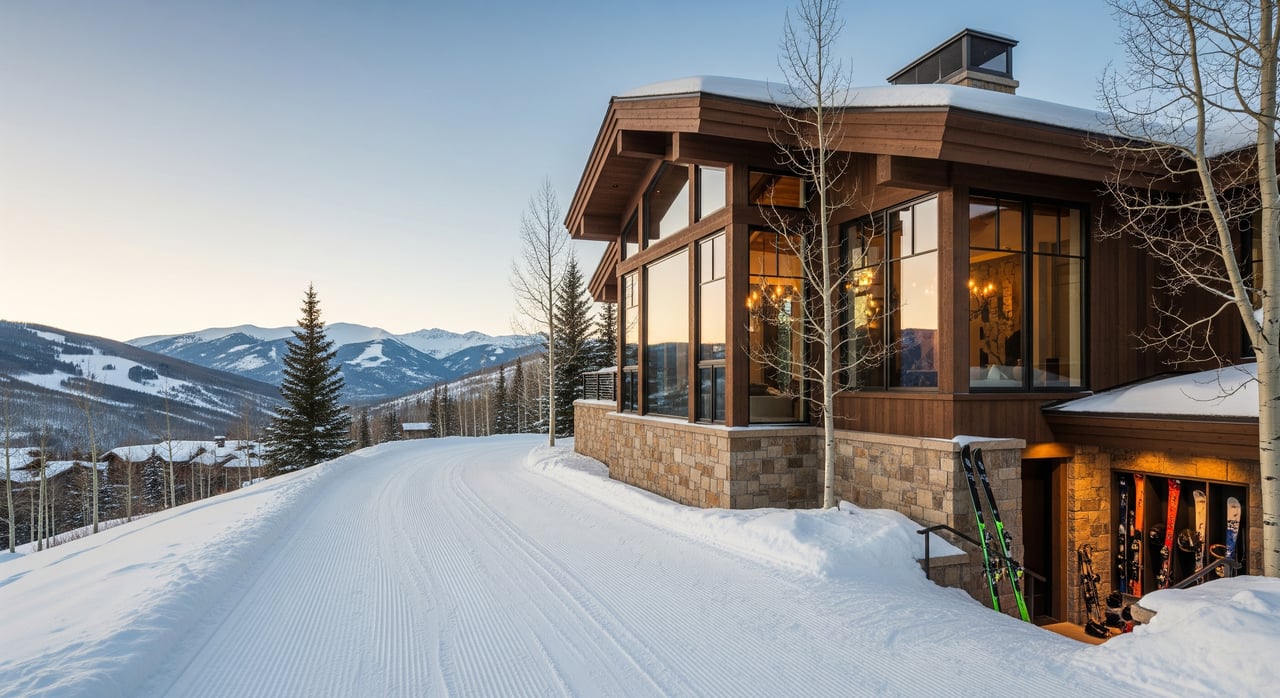
What Ski In Ski Out Means for Vail Home Buyers
November 21, 2025
November 21, 2025
If you are shopping for a Vail second home, you will see “ski‑in/ski‑out” everywhere. The label sounds simple, yet the on‑snow reality can vary a lot from one building to the next. You want clear expectations, not surprises the first morning in boots. In this guide, you will learn what ski‑in/ski‑out truly means in Vail, the common access types, the factors that shape daily usability, and a practical checklist to verify any listing. Let’s dive in.
At its core, “ski‑out” means you can leave the property on skis and reach the ski area without taking off your skis. “Ski‑in” means you can return to the property on skis from the ski area. These are practical, experience‑based terms rather than legal labels.
In Vail, the terrain, village layout, skiways, and lift placement make the experience different across neighborhoods. Marketing terms like “slope‑side,” “lift‑adjacent,” or “ski‑to” are not standardized. Treat them as clues, then confirm the actual route, ease, and reliability on the ground.
There is no universal legal standard for “ski‑in/ski‑out.” Your confidence should come from documents and on‑site verification, not from the listing alone. Review easements, HOA covenants, and resort trail maps, and whenever possible, test the route in season.
This is true slope‑side. The building or lot sits next to a groomed, resort‑maintained run. You step out and slide to a trail or lift loading area.
You are steps from a chairlift or gondola loading area, often on a plaza or village edge.
A designated corridor, sometimes privately maintained through an easement, links the property to a resort run or lift via a short on‑ski traverse.
You are off the slope but close to a shuttle stop. Some call this “ski‑to” because you move a short distance on skis, then ride a shuttle or connector to lifts.
Hotel and resort buildings sometimes provide ski valets, private shuttles, or equipment carry service.
These homes have mountain views or quick drives to lifts but no on‑snow route.
A unit on a gentle groomer is not the same as one on a steep expert pitch. If you have newer skiers or children, access to green or blue terrain and lesson areas matters. Steep or ungroomed connectors can make “ski‑in” unreliable for many days.
Being near a lift loading zone can beat simple proximity to a run. Resort hours, seasonal opening dates, and maintenance can change how and when you ski from your door.
Snowmaking and grooming keep low‑elevation connectors usable longer. North or east aspects and higher elevations generally hold snow better, which helps maintain a reliable route to and from the mountain.
Some skiways cross resort roads, private driveways, or pedestrian plazas. These interruptions can turn a “ski‑in/ski‑out” claim into more of a “ski‑to‑door with exceptions.” If public rights‑of‑way or private corridors are involved, the easement language controls long‑term reliability.
Slope‑front homes can experience more summer noise from operations or recreation. The flip side is stronger year‑round rental appeal if trailheads or activities are close. HOA responsibilities for snow clearing or grooming can add to dues.
In‑bounds control work and closures keep resort terrain managed and safer, but nearby control zones may bring early morning noise or periodic closures that affect a chosen route.
Slope‑facing units often have great views with less privacy. Sunny exposures can speed spring melt, which may shorten the practical ski‑home window.
Immediate slope access is one of the strongest value drivers in mountain markets and can command a significant premium over similar off‑slope properties. The size of that premium varies by unit type, rental rules, and current demand. True ski‑in/ski‑out also tends to be more liquid when convenience is a top buyer priority.
Reliable on‑snow access is a magnet for short‑term renters during peak season, often improving nightly rates and occupancy. Know that HOA or town rules can limit short‑term rentals, which changes the math for investors.
You may offset a higher purchase price with convenience and rental demand. Balance that against higher HOA dues for on‑slope services, possible insurance differences, and stricter building or resort rules.
Use this checklist to verify any “ski‑in/ski‑out” claim in Vail:
Be specific about the on‑snow experience you want. Decide if you prefer direct slope frontage, lift proximity, or a quieter skiway connection. Then verify the route, documents, and maintenance.
Plan to tour in ski season if possible. Bring the checklist, watch for crossings or flat segments, and notice how easy it is for everyone in your group to come and go.
If you are weighing rental potential, align the target property with the rules of its HOA and the reliability of its ski access. Reliable access tends to drive stronger demand when the snow is best.
When you are ready to see the options that fit your lifestyle, schedule a private, on‑snow tour and compare routes side by side. If you want a curated short list and local guidance, schedule a private showing with Aksell Vail.


One of A.K.'s biggest strengths is her creativity in getting a deal done! A.K.'s clients are considered friends, and she enjoys getting together with them on and off the hill.