Singletree Lot Orientation & Sun Exposure Guide
December 18, 2025
December 18, 2025
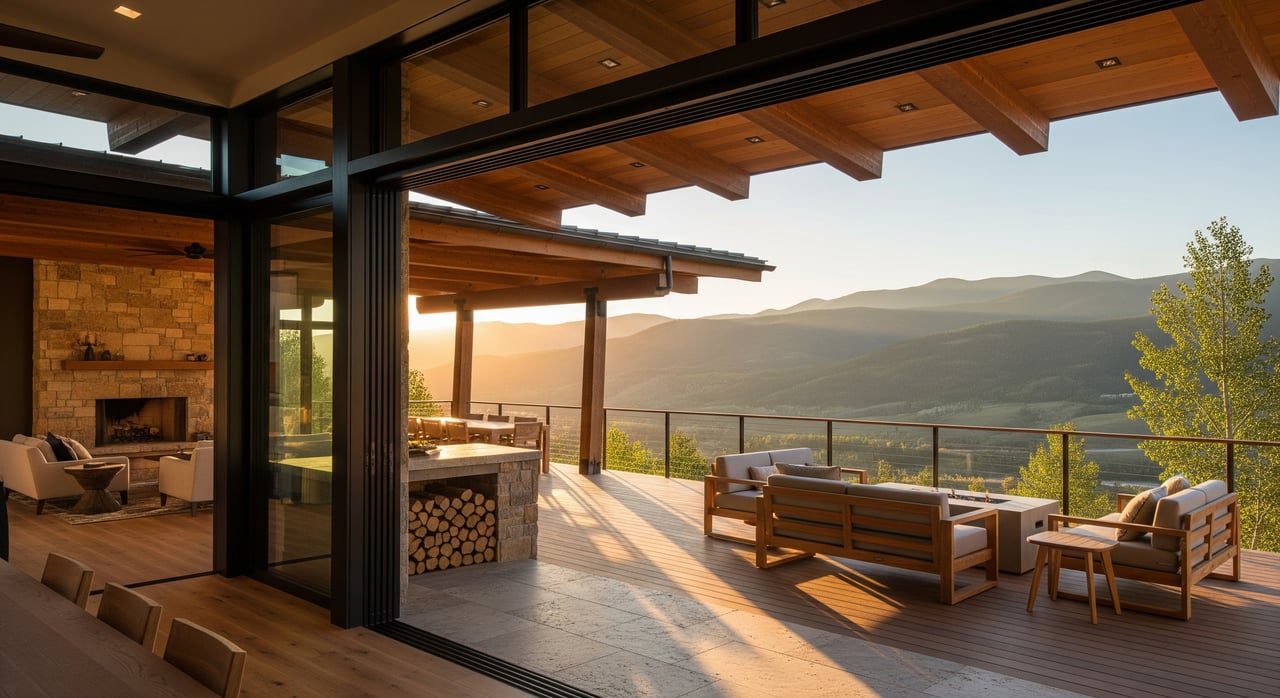
Does one lot in Singletree really feel warmer and brighter than the one next door? In the Eagle Valley, the answer often comes down to how a lot faces the sun and nearby ridgelines. If you want light-filled winter days, faster clearing patios, and protected mountain views, orientation matters. In this guide, you’ll learn how the sun moves over Singletree, what that means for everyday living, and simple ways to verify sun and view corridors before you buy. Let’s dive in.
Singletree sits near latitude 39.6° N in the Eagle Valley. In winter, the sun rides low and follows a short arc across the southern sky, so south-facing exposure is valuable. At solar noon, the sun sits about 26 to 27 degrees above the horizon around December 21. In summer, the sun climbs high, reaching roughly 73 to 74 degrees at solar noon around June 21.
Sunrise and sunset also shift by season. In winter, the sun rises near the southeast (about 120 degrees) and sets near the southwest (about 240 degrees). In summer, it rises near the northeast (about 60 degrees) and sets to the northwest (about 300 degrees). These angles explain why a south-facing deck can be a sunny refuge in January while a west-facing patio runs hot in July.
South-facing facades receive the most direct winter sun. Interiors tend to feel brighter on cold days, and south-facing patios and driveways often see faster daytime snowmelt when the sun reaches them. In summer, high midday sun can be intense on unshaded decks, so plan shade or timing your use.
Morning light is strong and cheerful. Kitchens and breakfast patios do well here, and afternoons stay cooler. Winter afternoons may feel shaded, so plan late-day outdoor time on a secondary deck if you want more light.
You’ll get strong late-afternoon light, especially in summer. It is great for golden-hour views and extended evenings outside. In winter, western sun can help with late-day melt, but nearby ridges to the west can shorten that window.
Light is softer and more even year-round. In winter, north-facing yards and driveways may hold snow longer since they see less direct sun. Many owners pair a north-side entry with a south or east deck to balance daily use.
Low winter sun casts long shadows from houses, trees, and terrain. A nearby ridgeline can block early or late light, and tall evergreens can shade key outdoor areas. Snow tends to linger on north aspects and in shaded pockets.
For faster melt on walkways, driveways, and patios, look for surfaces that catch direct sun between late morning and early afternoon. South and southwest exposures often perform best for winter usability. If possible, visit in December around midday to see where sun actually reaches and which areas stay shaded.
Use simple tools to preview how a lot will live through the seasons.
Match your outdoor spaces to the light you want most.
Bring this list when you tour lots or homes in Singletree.
N
^
|
W <-- + --> E   (House here)
|
v
S

Winter: low arc from SE (~120°) to SW (~240°), solar noon ~26–27°
Summer: high arc from NE (~60°) to NW (~300°), solar noon ~73–74°
South-facing lot
[street]
-----
| D |   <- Deck faces South (max winter sun)
| H |
-----

West-facing lot
-----
| H |
|   |
| D |   <- Deck faces West (strong late-afternoon light)
-----
Tip: Run the exact lot coordinates through SunCalc to check sun angles on your preferred dates and times.
Views and sun exposure can be shaped by community rules. Review any Singletree HOA covenants and Eagle County guidelines on building placement, heights, and tree management. Ask the listing agent about known easements, approved building envelopes, or planned neighboring projects that could affect views. Request seasonal, time-stamped photos and, if available, panoramic or drone imagery to document what you are buying.
If you value winter light, easy outdoor living, and lasting views, lot orientation belongs on your short list. With a few simple checks and the right tools, you can quickly see how a Singletree property will live through every season.
When you are ready to compare options or arrange a focused, on-site orientation tour, schedule with A.K. Schleusner for tailored guidance and neighborhood insight.
One of A.K.'s biggest strengths is her creativity in getting a deal done! A.K.'s clients are considered friends, and she enjoys getting together with them on and off the hill.